


Are the players truly responding to him, or is there a deeper issue with how the message is being received and applied?
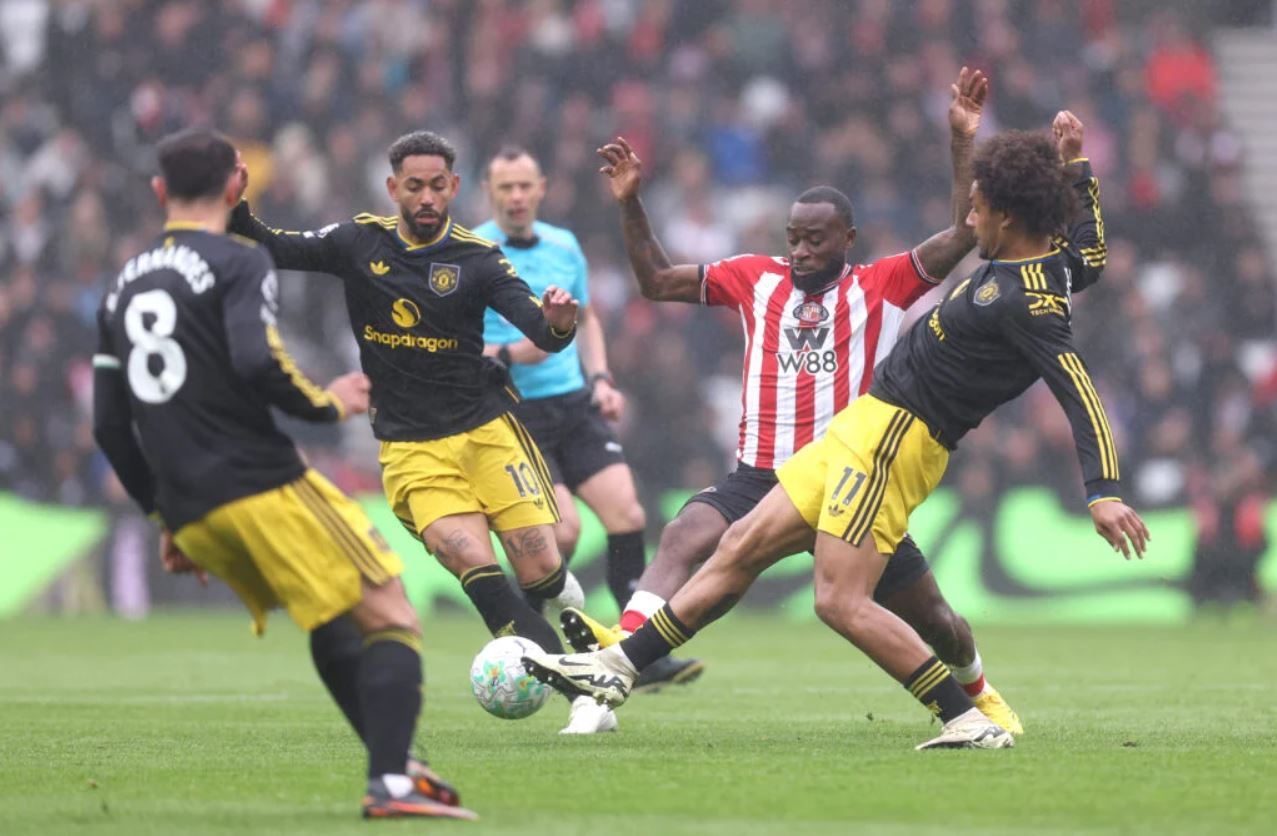
United’s 0-0 draw with Sunderland will not define the season in terms of results. Champions League qualification had already been secured, and on paper this was a game with little consequence. But sometimes the most revealing matches are the ones with nothing riding on them. And from a performance perspective, this was one of the more worrying displays under Michael Carrick.
The team lacked rhythm from the outset. There was a drop in intensity compared to big matches, which isn't anything new but still worrying. The pressing was inconsistent, the tempo in possession was slow, and chances were extremely limited. When a side that has shown attacking capability struggles to create anything meaningful, it forces you to look beyond tactics and into mentality. One shot on target, arriving in added time, is not simply an off day. It reflects urgency levels.
That is where the conversation shifts.
In his press conference ahead of this game, Carrick was asked how he motivates players when the main objective has already been achieved. His response centred around pride, responsibility, and representing United properly. He emphasised playing for this great club and for the fans. And in principle, that message is absolutely correct.
There should never be a scenario where standards drop simply because the table position is settled. When you play for a club with this history, there is always something to uphold.
And in fact, there should be no reason to have to be motivated. Playing for Man United should be motivation enough.
Pride should also not depend on pressure. Responsibility should not require external consequences. That is the foundation of culture.
Supporters do not demand perfection every week. They understand that football involves variance. What they expect is commitment, intensity, and visible effort. If the team competes properly and plays with clear intent, most fans will accept the outcome.
The baseline is attitude, and when that baseline is met, the rest becomes secondary.
The issue is that Sunderland did not reflect that baseline.
There was little sense of urgency. Transitions lacked sharpness. The attacking structure felt disconnected. It did not look like a team that was driven by internal standards. It looked like a group that had mentally relaxed once the major objective was complete. That contrast between the manager’s words and the team’s behaviour is what makes this performance significant.
Don't get me wrong as this is not about condemning the squad. It's more about evaluating consistency.
Carrick’s tenure has included strong results, particularly in high-profile fixtures. The team has shown it can rise to big occasions. Wins against major rivals indicate that the quality is there. That suggests the problem is not purely technical.
However, mentality is tested differently in lower-stakes environments. When motivation cannot rely on external pressure, it must come from within. If intensity fluctuates heavily depending on context, it indicates that standards may not yet be automatic.
That does not mean there is a crisis. But it does mean the culture is still evolving rather than fully established.
There is also the leadership dynamic within the game itself. Reports highlighted Bruno Fernandes actively organising teammates during phases of play, particularly in build-up situations. Meanwhile, Carrick appeared relatively passive on the touchline.
On the one hand, this can be viewed positively. Strong leadership within the squad is valuable, and Fernandes is clearly a vocal presence. It shows responsibility among senior players.
However, when a manager speaks publicly about standards, yet the team still requires on-field direction to maintain structure and intensity, it raises broader questions. Is authority fully centralised? Or does the squad lean more heavily on individual leadership moments than on consistent managerial control during matches?
This is not an accusation. It is an observation about structure.
Authority in football is not just about being respected. It is about ensuring that expectations are reflected automatically in performance. When behaviour fluctuates, the system may still be settling. A mature culture tends to regulate itself, regardless of who is on the pitch or what the stakes are.
Another important point is psychological. When the season approaches its end and objectives are achieved, some drop in intensity is natural. The challenge for any manager is preventing that decline from becoming visible on the pitch. If pride and responsibility are truly embedded, they should sustain performance even in low-pressure games. When they do not, it suggests the group is still developing that internal drive.
This is why the Sunderland performance feels significant. Not because of the result. Not because of the table. But because it acts as a stress test for the manager’s messaging.
Carrick’s comments about pride and responsibility were correct. The standards he described are the right ones. The question is whether those standards are already ingrained within this squad or still dependent on external triggers.
It is also important to say this clearly: this does not mean the project is failing. It does not mean the players lack quality. There have been enough performances to prove this group can play at a higher level than what was shown on Saturday. The ability is there. But the issue appears to be consistency of application.
When performance levels drop sharply in matches without pressure, it usually points towards mentality rather than talent. Tactical systems can be adjusted. Shape can be refined. But psychological consistency requires deeper work over time.
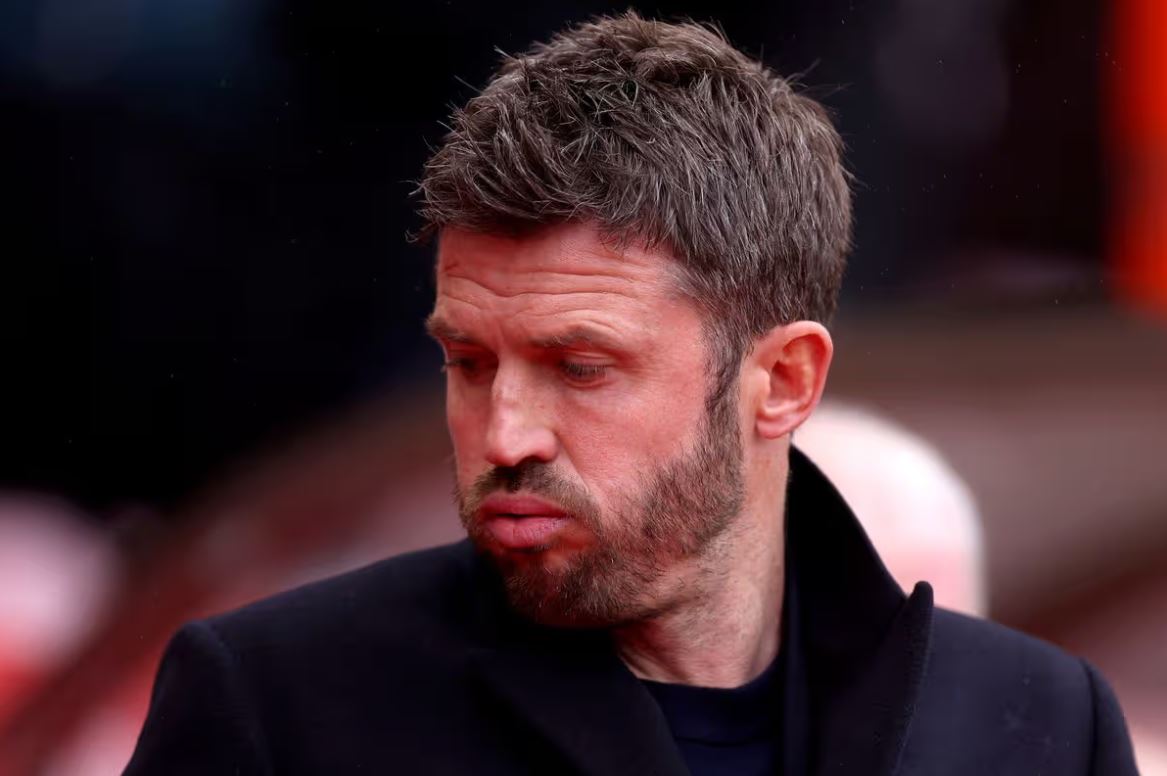
Ultimately, this discussion is not about one draw. It is not about overreacting to a single afternoon. It is about whether Carrick’s message is becoming identity, or remaining instruction.
If pride and responsibility only surface in press conferences but do not visibly influence performances when there is little to play for, then there is still progress to be made. Culture is not declared. It is demonstrated repeatedly, across all contexts.
The Sunderland result did not change the season. But the response to that match may tell us more about where this group currently stands.
If standards fluctuate depending on circumstance, then the real challenge moving forward is turning those values into something automatic rather than situational.
That gap between words and consistent execution is the real concern.