


There’s no denying what Michael Carrick has done at United. It has been seriously impressive.
I mean, getting this team into the UCL positions at this stage of the season — sitting 3rd, no less — is already a huge achievement on its own. But beyond that, it’s changed the whole feeling around the place. Suddenly Champions League football and it's new format, doesn’t feel like some distant dream anymore. And that shift in atmosphere… that’s probably the biggest thing the ex-legend has done so far.
But that’s where it starts to get interesting.
When the club moved on from Ruben Amorim, it didn’t really feel like there was a clear direction. It was more like things were just… happening. I don't think they had any idea of who would be his replacement. This is why we saw Darren Fletcher, the U18s coach, step in for a couple of games. United then had a bit of a race between Ole Gunnar Solskjaer and Carrick before eventually giving the job to the former midfielder.
The thing is, what nobody really expected was for it to go this well.
Now you’re in a situation where he hasn’t just stabilised things — he’s made himself a serious candidate for the job permanently. And that’s a decision the club probably didn’t think they’d actually have to make this soon.
The results Carrick has picked up at have been brilliant. In fact, beating every ‘big six’ side he’s faced so far — City, Arsenal, Spurs and now Chelsea — is something we haven’t seen in a long time, and when you add in the very real possibility of finishing as high as 3rd, it becomes impossible to ignore what he’s done.
On the surface, that alone puts him firmly in the conversation for the job full-time.
And in a way, that’s part of the problem.
By exceeding expectations to this extent, Carrick has almost inadvertently handed the club an easy way out — a manager already in place, delivering results, requiring no major overhaul, and giving them a ready-made justification to stick rather than twist.
And you know what this club is like when it comes to cheap and easy decisions 👀.
In many ways, that’s exactly who they are, and right now Carrick has given them the kind of option they’ve shown time and time again that they’re willing to take.
But this is where it starts to get a bit uncomfortable.
If you look beyond the results, the performances haven’t quite told the same story.
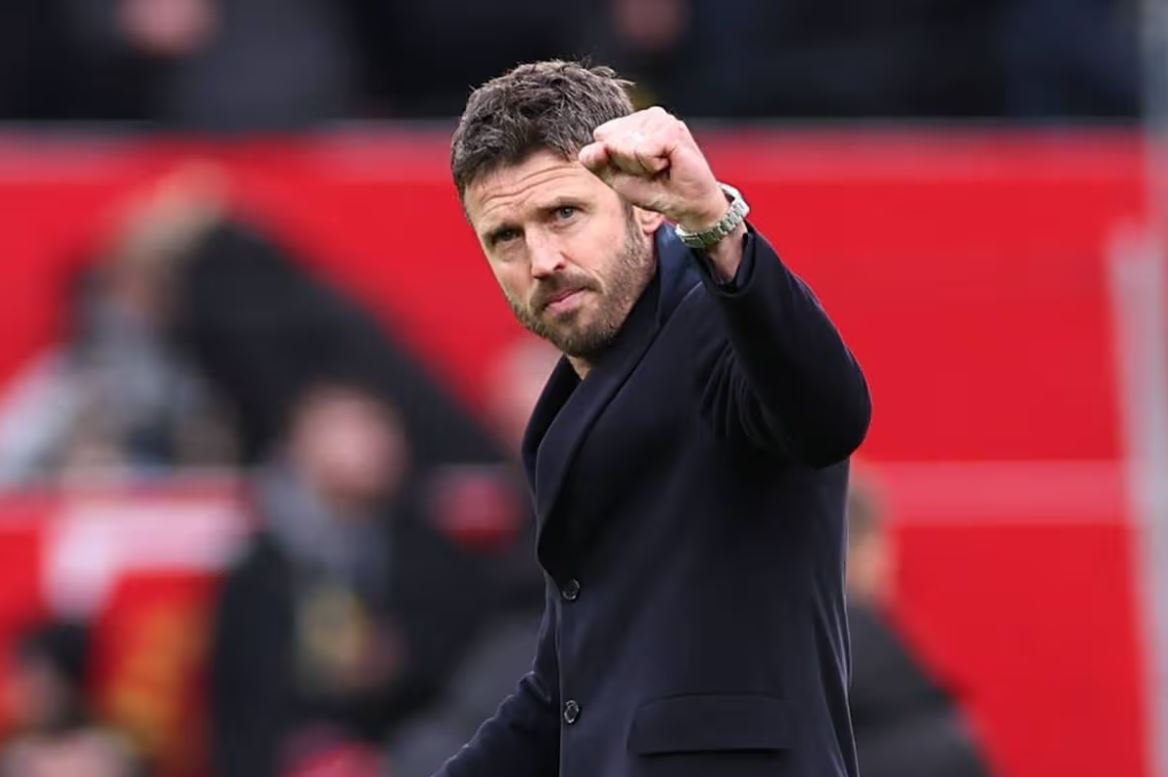
It started off well. Those wins over City and Arsenal brought a level of energy and intensity that felt different but even then, there was a sense that we’d seen this before, that familiar new-manager bounce where everything clicks for a short period before reality settles back in.
Over time, that’s exactly what’s happened.
The intensity has dropped, the performances have flattened out, and what we’re seeing now is a side that relies far more on moments than control, something that becomes even clearer when you look at where the actual output is coming from.
Bruno Fernandes, for example, has been involved in almost everything going forward, with goals contributions in all but two games under Carrick — 3 goals and 11 assists in total — which on one hand shows how important he is, but on the other raises a bigger question about the lack of input from the rest of the team.
When you take it a step further and look at the underlying numbers, it doesn’t get much more convincing.
In 12 matches, United have been outperformed on expected goals in seven of them. And in the five games where the numbers favoured us, two of them came against ten men.
So while the results suggest control, the data, and honestly, the eye test as well, point towards something far less stable.
Then you look at what’s happening off the pitch, and it adds another layer to it.
There have been multiple reports suggesting reduced time on the training ground under Carrick, and even if the intensity of those sessions has supposedly increased, it doesn’t quite reflect in the performances.
In fact, if anything, the team has looked more lethargic as time has gone on, which is strange when you consider we’ve had fewer games and more time between them, a period that you would expect to be used to build sharpness, not lose it.
And that’s what makes all of this difficult to fully buy into.
While the results are there, the performances, the structure, and even the underlying numbers don’t quite support them in the way you’d want if you were committing to this long-term.
When you widen the lens even further, the context of this season doesn’t exactly strengthen the case either.
The reality is, this has been one of the weakest Premier League campaigns in recent memory.
There have been so many underperformers, the biggest of which include Liverpool and Chelsea. Newcastle and Spurs are two others.
Who would have thought that the side who beat us in the Europa League final last season would be fighting relegation this season. Spurs potentially going down tells you how much the quality of the league has dropped.
So while Carrick and United have taken advantage of that — as they should — it does raise a fair question about how much weight those results should really carry when the overall level of competition hasn’t been what it typically is.
So what does all of this actually mean?
It points towards a situation that looks like progress in the short term, but carries a very real risk of long-term pain.
If United secure Champions League football, the likelihood is that Carrick gets the job on a permanent basis. And on the surface, that’s understandable — results, league position, improved mood around the club — it all gives the impression that things are moving in the right direction.
But once you look a bit deeper, the concerns we’ve already discussed don’t just disappear. If anything, they become more important.
The lack of intensity with just one game a week. The reliance on individuals. The absence of real control in matches. These are things that might scrape by domestically, but against Europe’s best, they get exposed quickly. You can get away with certain things in the Premier League this season, but it’s a different level entirely when you’re going to places like Bayern Munich and trying to compete.
And that’s before you even consider the step up in responsibility. Managing in the league is one thing but balancing that with the Champions League and domestic cups, is something Carrick hasn’t experienced before. That jump is significant, and there’s very little so far to suggest he’s ready for it.
There’s also the broader picture to think about.
United isn’t just competing on the pitch, but in the market as well. Managerial pedigree still matters, whether we like it or not. If you’re a player weighing up your options, like Elliot Anderson, the pull of working under someone like Pep Guardiola, or whoever City turn to next, is naturally going to be stronger than stepping into a project that still feels uncertain.
That’s where the real risk lies. If United commit to Carrick now, they’re not just making a short-term decision — they’re shaping the direction of the next rebuild. A rebuild that, if it goes wrong, puts the club back in a position we’ve already seen before: backing a manager, signing players to fit his system, and then having to undo all of that when it doesn’t work out.
We’ve already lived that cycle recently, and the cost of getting it wrong again isn’t just financial.
It’s time.
What’s been created right now feels like stability: good results, a strong league position, a better atmosphere. But the question is whether that stability is real, or simply temporary.
United have been here before where things look like they’re turning, only for the underlying issues to resurface later. And when that happens, the drop-off is usually sharper.
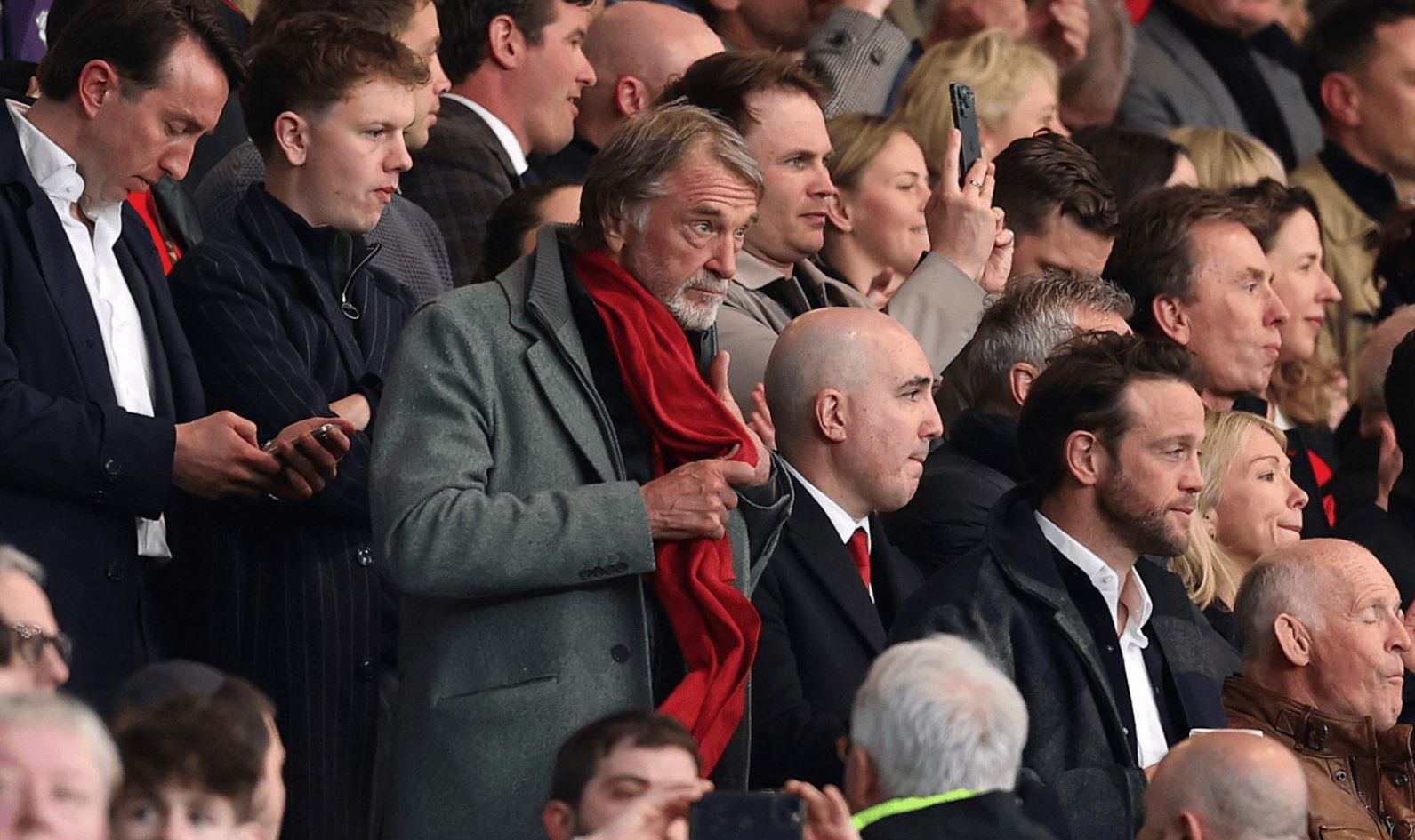
This isn’t about placing blame on Carrick. If anything, he’s done exactly what you would want from an interim — steady the ship and deliver results. But that doesn’t automatically make him the right choice for what comes next.
Ultimately, this is on the club. Based on how decisions have been made in the past, there’s a genuine concern that the easy option becomes the preferred one.
Which brings it back to the dilemma.
At this point, Champions League football looks all but guaranteed and with that, the decision around Carrick becomes almost inevitable.
That's where the complications arise.
Instead of being able to assess the situation clearly, the club are now in a position where success almost forces their hand, where the results make it incredibly difficult to step away, even if the underlying concerns are still there.
So the real issue isn’t whether Carrick has done enough to earn the job in the short term.
It’s whether that short-term success is now pushing United towards a long-term decision they might not be fully convinced by.
And there’s another layer to this as well.
When it comes to players, we constantly hear about the importance of experience, whether someone is PL-proven, whether they’ve operated at the highest level before, whether they can handle the demands. It’s often used as a reason not to take risks.
So why should that logic not apply here?
Carrick is inexperienced at this level. He hasn’t managed across multiple competitions, hasn’t dealt with the demands of Champions League football, and hasn’t yet shown over a sustained period that he can build something that takes the club forward.
But is that inexperience suddenly acceptable because the short-term results look good?
Or because it’s a familiar face?
So the real question isn’t just whether Carrick has done well.
It’s whether United are rewarding the right things — or simply taking the easy way out.
Is this real progress, or just convenient progress?
Michael Carrick looks set to be the next Man Utd manager thanks to great results during interim spell | Michael Carrick image via Manchester United official X (@ManUtd)