


Michael Carrick looks set to become the next permanent manager of Man Utd.
And on the surface of it, who could argue?
Nine wins in his 13 in charge, he's taken the team from 7th to 3rd, and has all but secured Champions League football.
More than this, Carrick's brought a stability to United, the kind this team has been crying out for. And that calmness he had on the field as a player? Has been transferred to the dugout and dressing room.
He's also a legend of the club so knows it inside and out.
The former midfielder has exceeded expectations. No one would've thought that he would've done this well.
So when you put all of that together, it no doubt gives him one heck of an advantage in terms of this permanent manager race.
Hell, they might as well give it to him now.
But here’s where it gets interesting.
The true concerns lie not in results or league position, but something else entirely. It’s a question that becomes a bit uncomfortable the more you think about it.
Beyond the results, there’s a different question that’s starting to surface — and it’s one that matters more long-term.
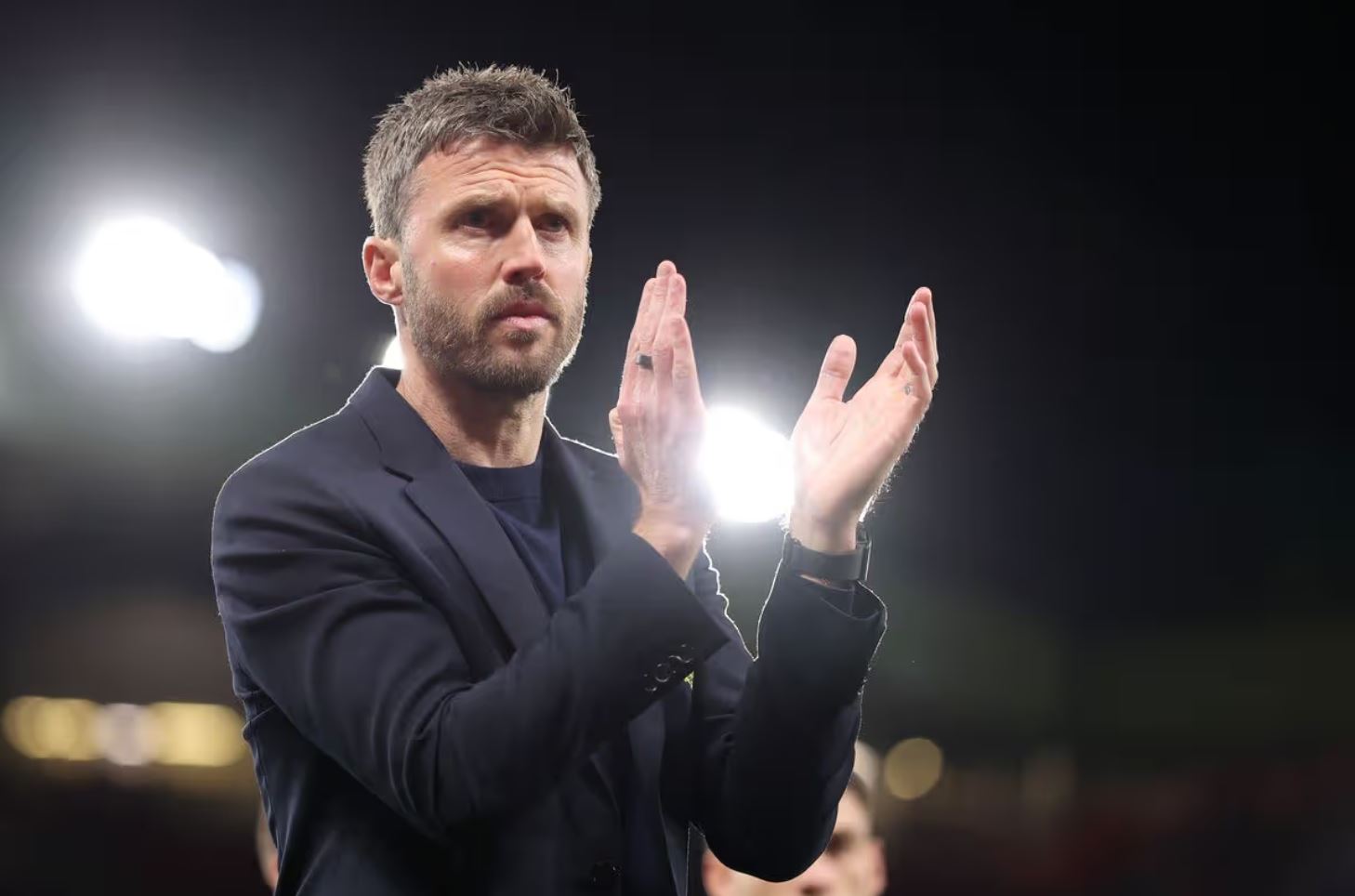
When you look at what it takes to manage a club like ours, it’s never just been about results.
Of course, winning matters. No one is saying it doesn’t. But at this club, it’s also about how you win.
There’s an expectation. A responsibility, even. You’re not just supposed to win games — you’re supposed to make people feel something. Make them want to watch. Make them look forward to the next match instead of treating it like a chore you have to sit through because you support the club.
And beyond that, it’s about presence. Personality, being able to take control of a situation and, when needed, be ruthless. Not everything has to be nice and calm all the time.
Sometimes you need a bit of edge.
And a major part of it, is also about improving players.
Not just getting a tune out of them for a few weeks. Not just putting them in positions where they look decent again. Actually improving them. Adding something to their game. Taking them from what they are to what they could be.
You define their roles and give them clarity. You build a system where everyone knows exactly what they’re doing and why they’re doing it. And even in short spells, you can usually see it. You can see players developing, you can see patterns forming. You can see something building.
Even when results dip, that part is usually there.
And that’s the part that feels… unclear right now.
Amad and Mbeumo
This is where Amad and Bryan Mbeumo come in.
If you’re looking for signs of a lack of development, these two should be the easiest place to find it.
They’re key players. We know their quality. We’ve seen what they can do when they’re on it. These are the kind of players that should be driving the attack, not drifting through games.
But recently, it’s been the opposite.
With Amad, the drop-off has been obvious. Fans have been calling for him to be benched — which that tells you everything. This is a player people rate highly and one you don’t just turn on overnight unless something feels off.
And Carrick has acted on it. He’s been dropped a couple of times. He was even hooked at halftime against Brentford. That’s not just a tactical tweak — that’s a clear message.
But when he does play, he just doesn’t look like himself.
He’s less direct. Less involved. There are fewer moments where you feel like something might happen when he gets the ball. Instead, there’s hesitation. A split-second delay here, an extra touch there. And at this level, that’s the difference between dangerous and harmless.
Confidence looks low. You can see it.
Even statistically, there’s nothing to really hold onto. No goals. No assists under Carrick. The 5 goal contributions he produced came under Ruben Amorim.
And that’s the concern. Not just that he’s playing badly but that he looks like a player going backwards.
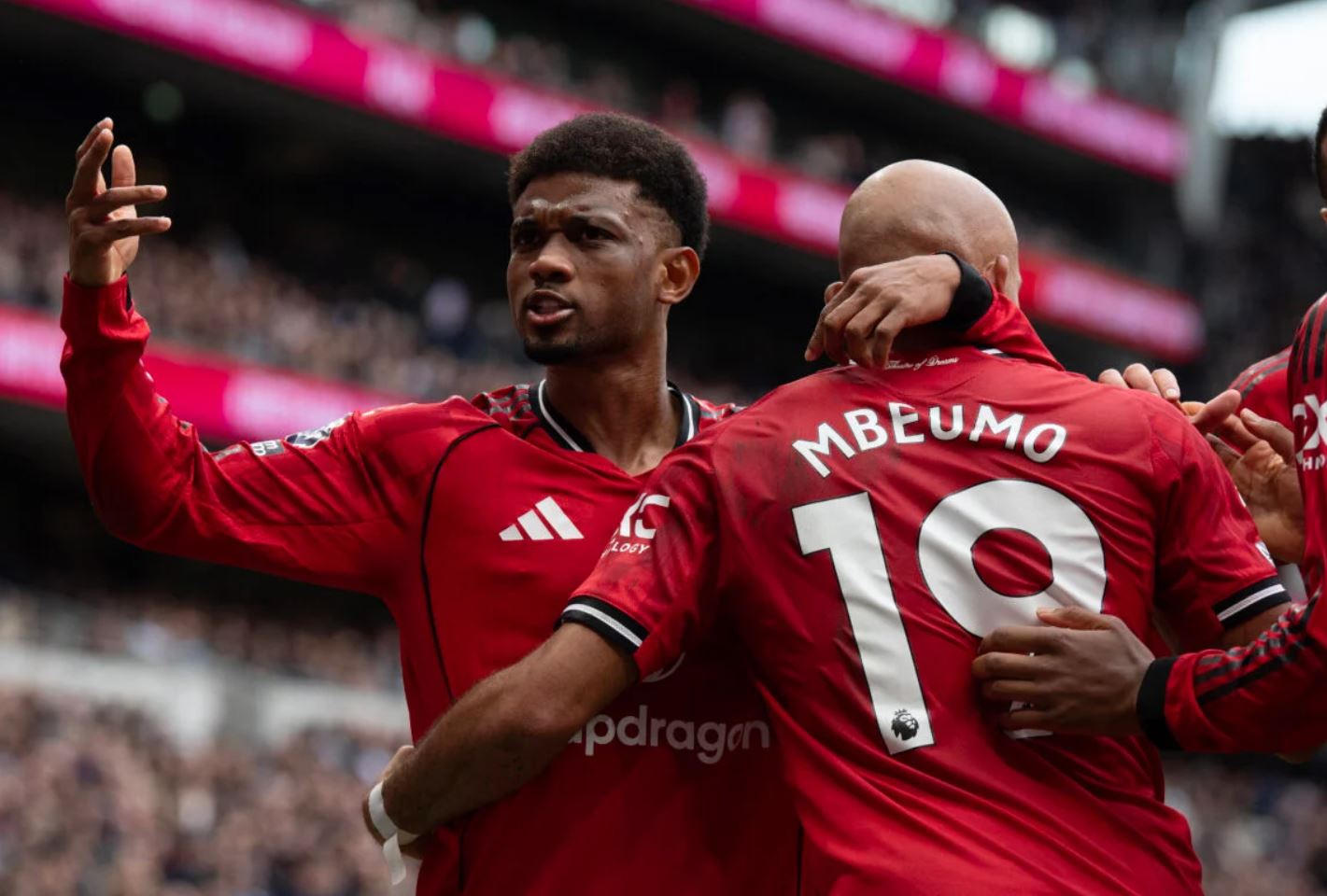
Mbeumo isn’t far off either.
Now, on paper, you could argue he’s been fine. There’s output there as he has 5 goals and assists in these 13 matches which is enough to say, “well, he’s contributing.”
But watch the games and it tells a different story.
He’s not as sharp. Not as threatening. There was a time where you expected him to do something when he got into good positions. Now, those positions don’t even come as often.
It’s like a striker who still scores but doesn’t scare anyone anymore. The numbers are there, but the fear factor is gone.
He’s been rotated and even dropped, which never happened under Amorim. Mbeumo has played in multiple roles: right-wing, left-wing and up top as a false 9. While flexibility is useful, there’s a point where it just becomes confusion.
Different roles demand different instincts. Different movements. Different decisions.
If one week you’re a winger hugging the touchline and the next you’re playing through the middle, it’s like being asked to drive on the left side of the road one day and the right the next. You might manage it, but you’re not exactly going to look comfortable doing it.
And when you don’t feel comfortable, confidence takes a hit.
So yes, it might just be form. That happens.
But when it’s more than one player — and when there’s no clear upward trend — it starts to feel like something more than just a dip.
Who has actually improved?
So naturally, the question becomes:
Who has actually improved under Carrick?
Not who’s played more. Not who’s had a good game here or there.
Who has genuinely been taken to another level?
To be fair, there are a few names people will bring up.
Kobbie Mainoo looks more settled again. He’s playing regularly, looks comfortable, looks like he belongs.
Benjamin Šeško is scoring more goals. 6 of his 10 league goals have come under Carrick, which on the surface looks like clear progress.
Even Casemiro has stepped up. He looks sharper, more influential, closer to the level we saw in his first season.
All valid points.
But this is where you have to look a bit deeper.
Mainoo looks better, but is he improving? Or is he just getting back to the level we already knew he had?
Šeško is scoring, but is his overall striker play actually better? Is he holding the ball up better? Linking play? Making smarter runs? Or is he simply finishing chances when they come?
Casemiro looks good, but he’s done this before. This isn’t new. This is an experienced player finding his rhythm again, not a player being developed into something more.
And that’s the difference.
There’s a difference between players playing better… and players becoming better.
Right now, it feels like we’re seeing more of the first, and not enough of the second.
This is where it becomes uncomfortable.
Why this might be happening
Part of this could come down to the system itself.
On paper, you’ve got wide players like Amad and Mbeumo. Naturally, you’d expect the team to use width, stretch the pitch, create isolation situations.
But in reality, we don’t get the ball out wide quickly enough. Everything feels a bit slow, a bit safe. By the time it reaches those areas, the opposition is already set.
This means fewer one-on-ones and crosses. Fewer moments where attackers can actually do what they’re good at.
That then affects someone like Šeško, who thrives on service into the box. It’s hard to dominate aerially when the ball rarely arrives.
And then there’s the reliance on one man to make everything tick.
If Bruno Fernandes doesn’t create something, the attack can look blunt. And that’s not a system — that’s dependency.
Add in a counter-attacking approach that doesn’t suit everyone, and you start to see why certain players aren’t thriving.
It’s like buying a sports car and then only ever driving it in first gear. Technically, it works. But you’re not getting anywhere near the best out of it.
What happens next?
Now, to be clear, results have been excellent.
You can’t ignore that and at the moment, it hasn’t really cost the team anything.
But that’s also what makes this lack of development easy to overlook.
In over four months, you can get away with certain things. Form can carry you. Confidence can carry you. Momentum can carry you.
But over a full season, it’s different.
Small issues don’t stay small. They repeat, build, and become patterns.
If players aren’t developing, they stagnate. If confidence dips, it drops further. And suddenly, what looked like a minor concern becomes a real problem.
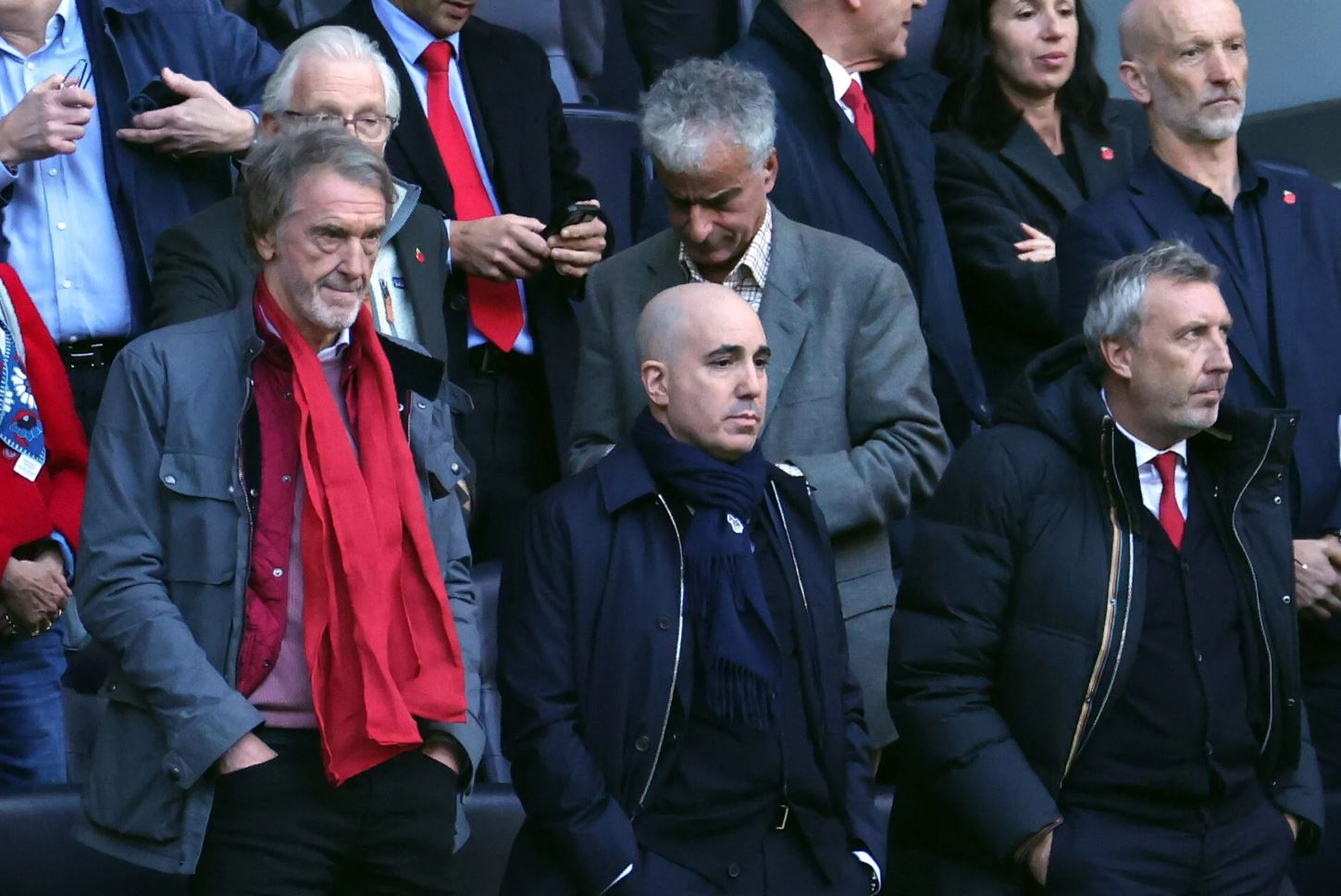
This is where the club has to be careful.
Appointing a manager isn’t just about rewarding results. It’s about projecting forward.
Are players improving?
Is there a clear style?
Is something sustainable being built?
I mean, if this is what key players look like now… what do they look like after a full season?
Remember, we will be playing more games next year which makes things harder.
Conclusion
Michael Carrick has done well. Better than most expected. He deserves credit as well as to be in the conversation for permanent manager.
But the job at United isn’t just about stabilising results.
It’s bigger than that.
It’s about building something. Improving players. Creating a team that doesn’t just win, but grows.
Right now, the results are there.
The development? That’s less clear.
And until that changes, the question around his long-term suitability doesn’t go away.
If anything, it only gets louder.
Amad and Bryan Mbeumo | Image: Ash Donelon/Manchester United via Getty Images - Manchester Evening News